

Charlene Fadirepo is a former Federal Reserve regulator turned Bitcoin strategist, Author and Consultant. After a decade in banking and consulting, she arrived at Bitcoin through a decades-long search for a financial system without bias. She co-authored “Bitcoin and the American Dream” alongside Jimmy Song, took that work to Capitol Hill, and later wrote “The Bitcoin Leap”, about bitcoin grassroots adoption in Africa. She is also the founder of Satoshi Sister Circle, a leadership and career network for African and African diaspora women. In this conversation, Charlene walks through what she witnessed inside the Fed, why she sees CBDCs as unambiguous surveillance tools and what she thinks about stablecoins, as well as why Africa doesn't need Bitcoin, Bitcoin needs Africa.
Please like, comment, share & follow — to help me beat the suppressing algo’s. Thx!
Follow Charlene:
Twitter | LinkedIn | The Bitcoin Leap Book on Amazon | Satoshi Sister Circle on X
— Support my work —
I was recently banned from Stripe, so I cannot have paid memberships on Substack… but there’s always another way!
Takeaways:
Every layer of the financial system like the commercial banks, Wall Street, the Federal Reserve itself shares the same single point of failure. It all runs on trust in humans and that’s the weakest link. Bitcoin doesn’t fix humans. It just removes them from the equation.
The 2008 financial crisis didn’t break the system but it revealed it. The system was working exactly as designed. Greed and negligence were structural features. Charlene spent years trying to fix it from within before she understood that. Bitcoin was the first thing she encountered that didn’t require that understanding to be fixed.
Charlene went from banker to consultant to Fed regulator, each time believing the next layer of the system could fix the one before. It never did. Hearing her trace that arc made me think: how many brilliant, mission-driven people are still inside those institutions right now, believing the same thing? And how long before they find Bitcoin too?
What Charlene describes in Africa is something I find so moving: communities choosing Bitcoin not because a government told them to, but because they looked at their broken financial systems and chose something better. That’s sovereign decision-making and that’s exactly what Bitcoin was built for.
Charlene’s framing: Africa doesn’t need Bitcoin, Bitcoin needs Africa. She flips the entire narrative of who is helping whom. The grassroots builders, the bottom-up adoption, the proof-of-concept ecosystems emerging across Nigeria, Kenya, Ethiopia, that’s the most honest expression of what Bitcoin actually is.
A permissionless, trustless system has no bias. It doesn’t know your skin color, your passport, your net worth, or your religion. It just runs. After everything she witnessed inside the Fed - the patterns of inequity, the structural exclusion - that quality of Bitcoin wasn’t abstract to her. It was the answer she’d been looking for her entire career without knowing it existed.
Charlene is unambiguous on CBDCs: they are surveillance infrastructure with a monetary interface, full stop. The digital yuan has already shown us the destination: spending tracked, dissidents frozen, lives controlled by who holds the off switch. When European regulators travel to China to study “best practices” for the digital euro, they are actually importing a control architecture.
Something Charlene said clarified a tension I’ve wrestled with: the moment you bring Bitcoin inside the regulated financial system, you accept that system’s rules: KYC, AML, the travel rule, full surveillance of sender and receiver. That’s the antithesis of Bitcoin’s original promise. But she frames it as optionality, not surrender. The permissionless version still exists. You just have to choose it.
Boards are rejecting the language being used to pitch bitcoin. Sovereignty and permissionlessness mean nothing in a boardroom. Stress tests, audit readiness, governance structures, investment policy amendments, that’s what opens the door. Charlene’s insight is that the case for Bitcoin has to be made in whoever’s language holds the keys.
Before Charlene came to Bitcoin, she was trying to connect low-income women with financial advisors because she believed better information would change outcomes. What she found instead was that those women had already found Bitcoin on their own without a background in finance, without anyone pointing them there. That tells you something deeper than any financial literacy campaign ever could. Bitcoin is compelling not because we teach it well. It’s compelling because it’s actually better.
When I asked Charlene what gives her hope, she said: the builders. They understand the actual problems of the world, and they are using Bitcoin to solve them.
Connect with me:
Twitter | YouTube | Instagram | Nostr | My podcast | All other links
Sponsors:
Ledn
→ Access liquidity without selling your Bitcoin with Ledn — learn more at https://ledn.io/Efrat


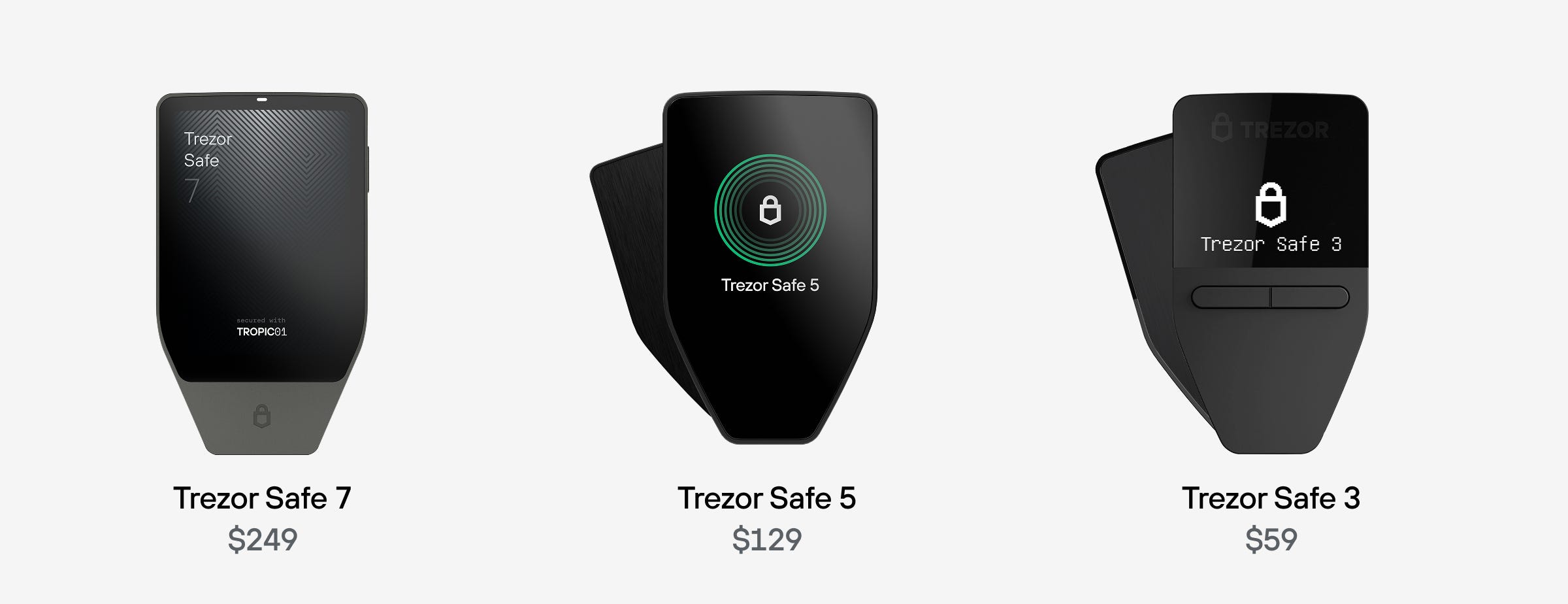
Trezor
→ Get your TREZOR wallet & accessories, with a 5% discount, using my code at checkout (get my discount code from the episode - yep, you’ll have to watch it)

Abundant Mines
→ Have you tried mining bitcoin? Stack sats directly to your wallet while saving on taxes with Abundant Mines. A month of free hosting for my followers:

Special offers:
→ Join me at any of these conferences or events:

→ Get 10% off on Augmented NAC to detox the Spike protein, using the code: YCXKQDK2, and this link. (Please note, this is not medical advice and you should consult your MD). Watch the episode with Tina below.


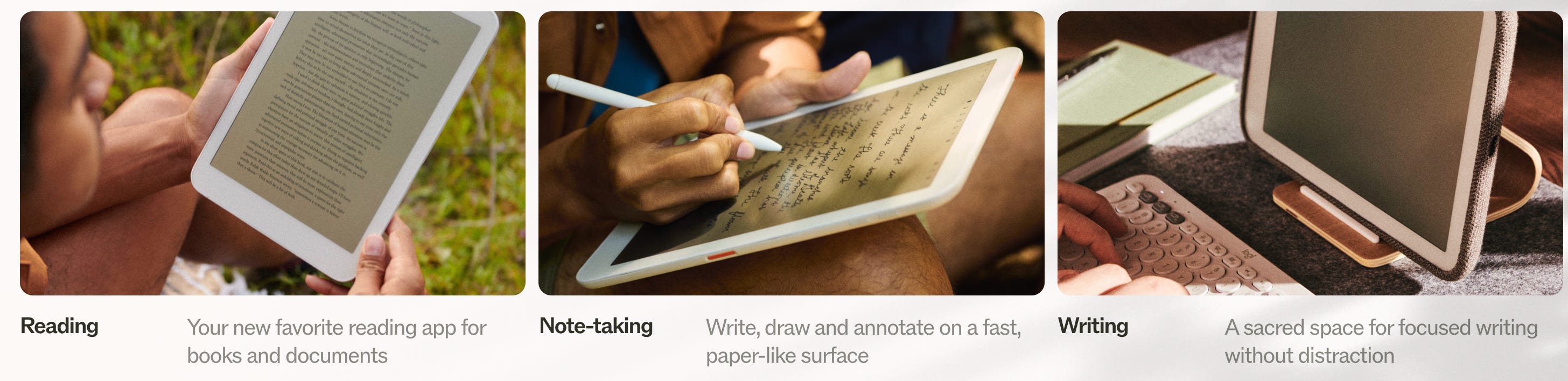
→ Be good to your eyes & health, and get the Daylight tablet - a healthier, more human-friendly computer, zero flicker & zero blue light. Use code EFRAT for $25 off: https://bit.ly/Efrat_daylight
→ Watch “New Totalitarian Order” conference with Prof. Mattias Desmet & Efrat - use code EFRAT for 10% off

→ Get a second citizenship and a plan B to relocate to another country with Expat Money, leave your details for a follow up: https://expatmoney.com/efrat

— Support my work —
I was recently banned from Stripe, so I cannot have paid memberships on Substack… but there’s always another way!


