


Todd Weyl is a cattle rancher, direct-to-consumer beef producer and the owner of Weyl Farms Direct, a 240-acre family farm his parents bought in 1965. Taught in agricultural college that beef would follow poultry and pork into the feedlot model, Todd finally began questioning the commodity system. Since 2020 he has sold directly to families, and he is an active voice in Texas Slim's Beef Initiative, building a decentralized food network one ranch at a time. In this special episode, we dig into the quiet consolidation of farmland, the industrialization of agriculture since 1971, degradation of public health, why is fast food the human version of a feedlot, lab meat, and how he finances his farm with Ledn’s Bitcoin-backed loans for cashflow and infinite banking philosophy.
Please like, comment, share & follow — to help me beat the suppressing algo’s. Thx!
Follow Todd on X | Weyl Farm’s website | Beef Maps
AI-Generated Takeaways:
The biggest transfer of farmland may happen through the mailbox. Todd’s widowed mother regularly receives offers for a fraction of what her land is worth, the kind of letter aimed at owners who are aging, short on cash and whose children have moved away. Todd suspects this is how family land quietly drifts into funds and financial products, one signature at a time.
Every financial transaction demands to know who you are, yet the beef on a supermarket shelf often can’t say where it came from. Todd points to imported ground beef of unknown origin, and to 1981, when Australian beef shipped to the US turned out to contain kangaroo and horse meat. Transparency, it seems, is enforced in one direction only.
Bigger animals were never proof of a healthier system. Todd recalls 3,000-pound bulls and 150-pound calves, a scale that only cheap oil and cheap feed could sustain. He traces the shift to 1971, when money came off gold and farming started running on the same industrial logic as everything else.
A strip of fast food restaurants is a feedlot built for people. In 1980s agricultural college, Todd was taught that the goal was to raise beef the way poultry and pork were already raised, and he now sees the same model applied to humans: endless apparent choice, identical food underneath, and a nation whose health has declined right alongside it.
A government buried in debt has little use for a healthy population. Todd’s argument: inflation is how roughly $40 trillion of debt gets handled, and a public dependent on industrial food and pharmaceutical products keeps the machine growing. Efrat put it more bluntly, saying those products are designed to keep people sick so the system can keep expanding.
Death is part of life, and any system promising one without the other is selling hubris. Todd sees cultured meat, which Joel Salatin ties to technocracy, as the latest fix that will spawn a dozen new problems, echoing a lesson passed down in his family: for every problem the government solves, it creates 12 new ones.
After years of what he calls attacking the gates of hell with a water pistol, Todd now builds slowly, aiming for around a hundred loyal families, keeping his beef within 100 miles, and watching repeat customers turn into friends.
A decentralized food system runs on referrals instead of rivalry. When Todd sells out, he sends callers to another rancher, and Beef Maps makes that possible at scale: each ranch on the map works as a node in a mesh network, a Citadel feeding its own region. There is room for every honest producer.
Many people who gave up meat were objecting to how animals are treated more than to meat itself. In Todd’s telling, some of his customers spent 10 to 15 years as vegans, developed health problems that good beef helped resolve, and came to him because they could finally see how the animal lived.
Borrowing changes character once the interest flows back to you. Pairing Nelson Nash’s infinite banking concept with Bitcoin-backed loans, Todd borrows small amounts for a bull, a truck repair or equipment parts, repays quickly and recaptures the interest a bank would have taken. As he sees it, he is using usury instead of being used by it.
Connect with me:
Twitter | YouTube | Instagram | Nostr | LinkedIn | My podcast | All other links
Please take a moment to like, subscribe, comment and share this article.
♥️ Efrat
Sponsors:
Ledn
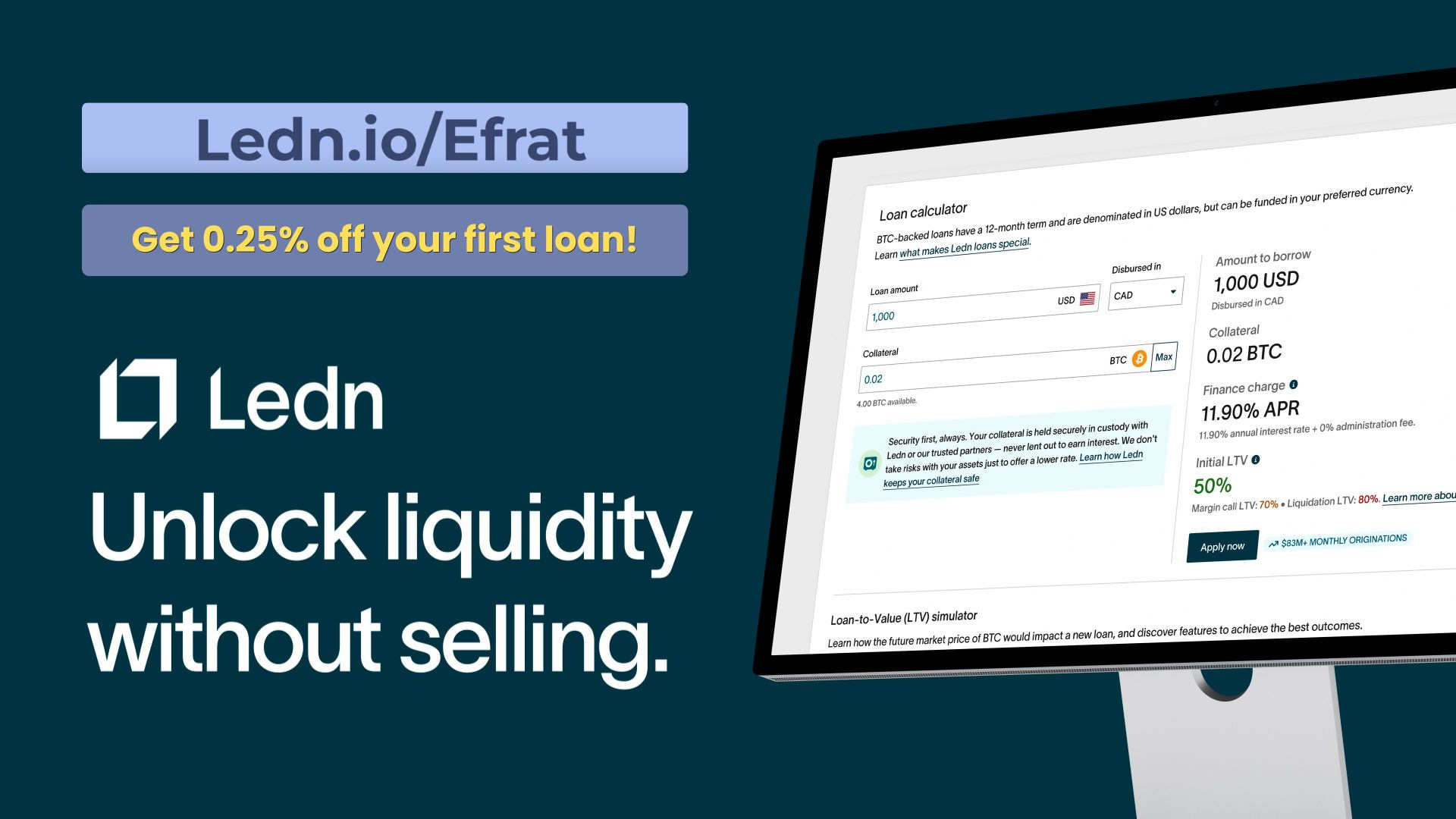
→ Access liquidity without selling your Bitcoin, get 0.25% off your first loan: https://ledn.io/Efrat

Trezor
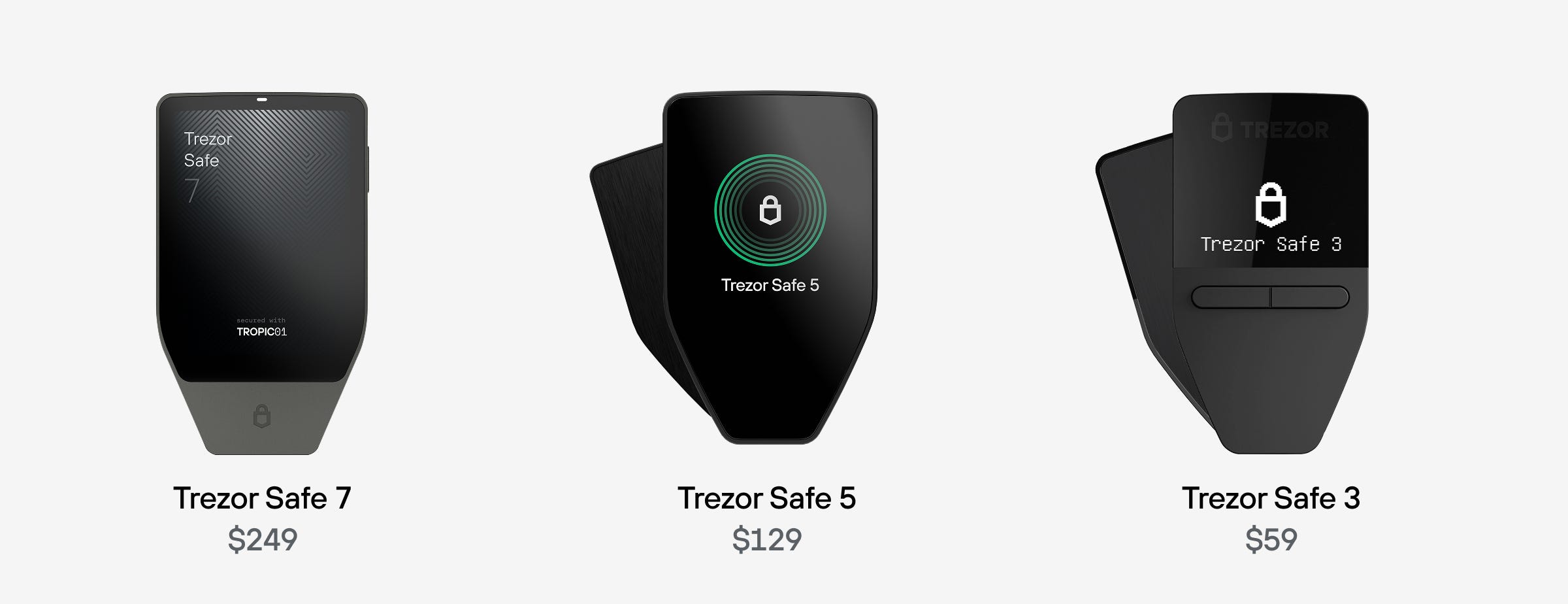
→ Get your TREZOR wallet & accessories, with a 5% discount, using my code at checkout (get my discount code from the episode - yep, you’ll have to watch it)

Abundant Mines
→ Have you tried mining bitcoin? Stack sats directly to your wallet while saving on taxes with Abundant Mines. A month of free hosting for my followers:

Special offers:
→ Want to preserve your privacy online? Get a GrapheneOS privacy phone or laptop, up to $150 off “Above Phone” products + extra $50 off with code EFRAT: https://abovephone.com/efrat/

→ Get 15% off “Born To Be Free” all-natural, tallow-based skincare products on a bitcoin standard, using code EFRAT: https://oshi.link/1nvZYq


→ Join me at any of these conferences or events:

→ Get 10% off on Augmented NAC to detox the Spike protein, using the code: YCXKQDK2, and this link. (Please note, this is not medical advice and you should consult your MD). Watch the episode with Tina below.


→ Watch “New Totalitarian Order” conference with Prof. Mattias Desmet & Efrat - use code EFRAT for 10% off

— Support my work —
I was recently banned from Stripe, so I cannot have paid memberships on Substack… but there’s always another way!


